Have You Seen Our Clock Buying Guide?
We have developed a master guide to purchasing a custom Grandfather clock. Fill out the form to get access to our guide. (no email required)
Join us as we explore the differences between a key-wound mantel clock and a battery-operated mantel clock to help you find out which one you should go for.
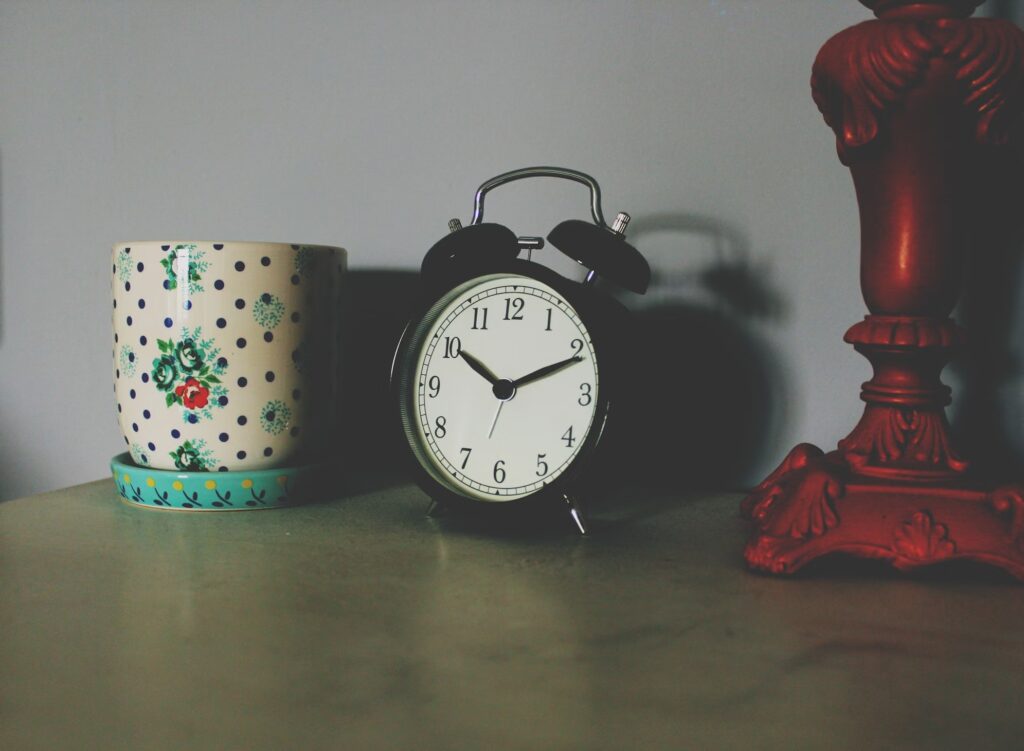
In the age of smartphones and digital assistants, there’s something undeniably special about the rhythmic tick-tock of a mantel clock.
But when it comes to choosing the perfect timekeeper for your home, you have to make a hard decision: should you pick the classic key-wound mantel clock or the convenient battery-operated option?
In this blog post, we’ll compare key-wound mantel clocks vs. battery-operated mantel clocks in detail. We’ll dive deep into their pros and cons to help you find out which one fits you better.
With that said, let’s roll in.
Key-wound mantel clocks are old-fashioned clocks that need a winding key to work. They sit on mantelpieces, shelves, or tables.
To make them tick, you insert the key into a hole and turn it. This action winds up the clock’s mechanism and stores energy to keep it running. These clocks don’t need electricity or batteries to function. They have a classic charm and can be made of wood, metal, or other materials.
Some key-wound mantel clocks have decorative designs, like brass accents or intricate carvings. They often chime on the hour and add a pleasant sound to the room.
That said, key-wound mantel clocks are a reminder of simpler times and can be cherished as both functional timepieces and beautiful decorations.
Here are the top benefits of key-wound mantel clocks:
Key-wound mantel clocks also have some downsides:
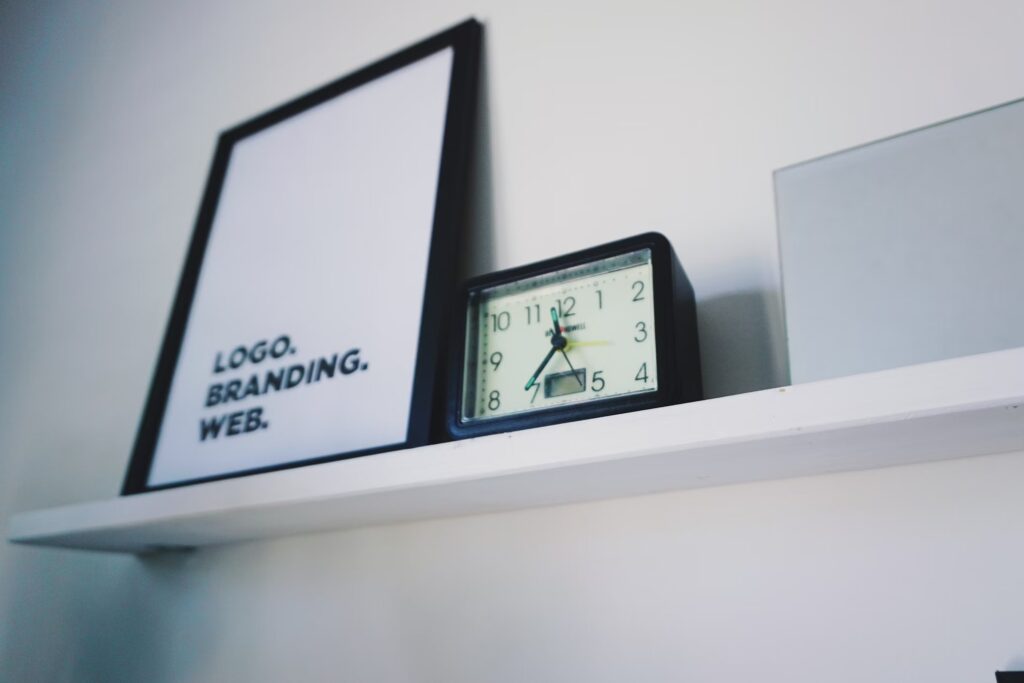
Battery-operated mantel clocks are modern timepieces that run on batteries. They sit on mantelpieces, shelves, or tables just like key-wound clocks.
Instead of winding them up with a key, you simply insert batteries into the clock’s battery compartment. Once the batteries are in place, the clock’s mechanism starts working.
These clocks don’t require winding or any manual effort to keep them running. They’re convenient because you don’t need to remember to wind them up regularly.
Battery-operated mantel clocks come in many styles and designs, ranging from classic to contemporary. Some have digital displays, while others have traditional analog faces. They sometimes also feature additional functions like alarms or temperature displays.
Here are the top advantages of battery-operated mantel clocks:
Battery-operated mantel clocks also have some downsides:
Here we’ll compare key-wound and battery-operated mantel clocks in various aspects:
Key-wound mantel clocks exude classic charm with intricate designs, brass accents, and traditional craftsmanship. This way, they add elegance to any space.
Battery-operated mantel clocks, on the other hand, offer modern styles with sleek designs. They pack digital displays, and contemporary finishes to cater to diverse tastes.
Both types bring aesthetic appeal, but key-wound clocks offer a nostalgic, timeless elegance, while battery-operated clocks provide a more contemporary, minimalist style.
Key-wound mantel clocks require regular winding and occasional servicing for optimal performance, so they demand more hands-on maintenance.
Battery-operated mantel clocks have lower maintenance requirements, as they only need battery replacement. They offer simplicity and convenience and require less effort to keep them running smoothly.
Key-wound mantel clocks are generally more cost-effective in the long run as they don’t require ongoing battery replacements. Though initial investment costs can be higher due to craftsmanship and materials, they have lower operational costs over time.
Battery-operated mantel clocks have lower initial costs but may incur ongoing expenses for battery replacements. So, they’re potentially less cost-effective in the long term.
In this guide, we dived deep into the key-wound vs. battery-operated mental clock comparison that compared them in many aspects.
To sum up:
If you’re someone who appreciates tradition, elegance, and minimal ongoing costs, key-wound mantel clocks are ideal. But if you’re looking for modern convenience, versatility, and lower initial investment, you’ll find battery-operated mantel clocks more suitable.
Whether you’ve decided to get a key-wound or battery-operated mantel clock, you can explore the best options at Old Times Chimes. Here, we have expert Amish craftsmen who handcraft top-end mantel clocks. The best part? You can choose between both battery-operated and key-wound options!
If you want a tailor-made mantel clock that suits your design preferences and has the functions you need, get in touch with us today! We’ll make you a mantel clock that fits your needs perfectly.