Have You Seen Our Clock Buying Guide?
We have developed a master guide to purchasing a custom Grandfather clock. Fill out the form to get access to our guide. (no email required)
Most grandfather clock orders start with a model and a stain color. This quarter-sawn white oak grandfather clock started with a list of questions.
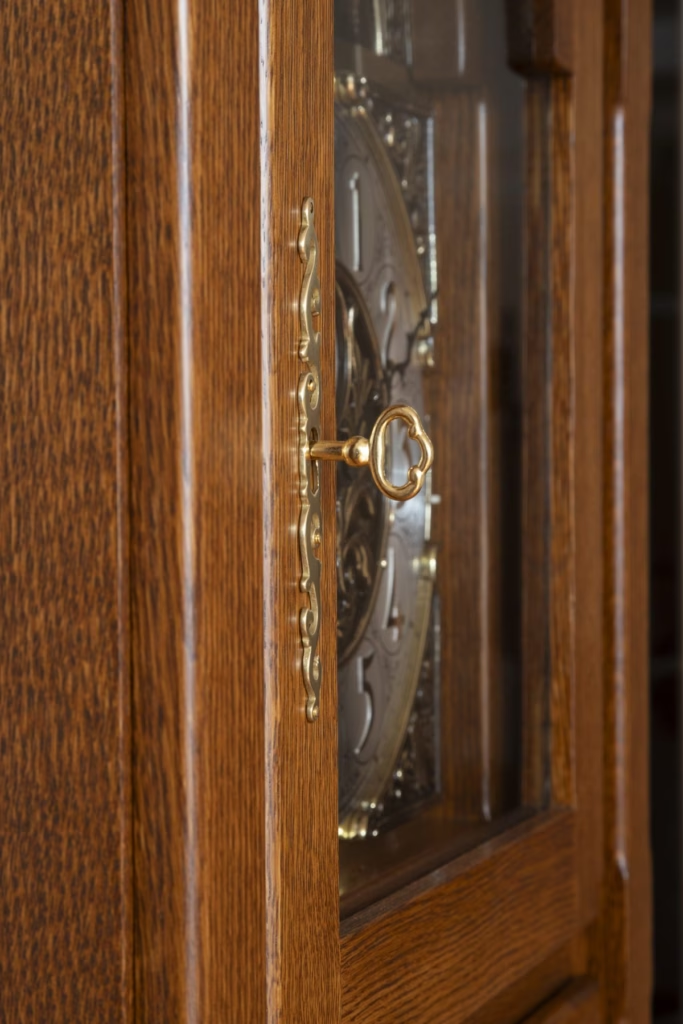
When W.K. of Minnesota first contacted us about the GRF-502 grandfather clock, he wanted to know everything. Did it come with a key lock door? Leveling feet? Removable side glass? What’s the difference between the Kieninger and Hermle movements? Over the next few weeks, through emails, voicemails and phone calls, those questions turned into a custom grandfather clock that was entirely his own.
By the time the order was finalized, nearly every part of the standard GRF-502 had been reconsidered: the wood, the doors, the glass, the movement, the dial, the weights and the pendulum.
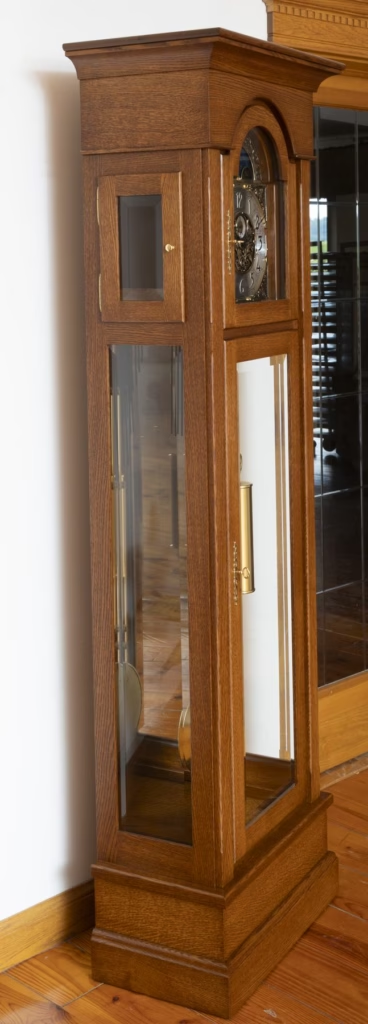
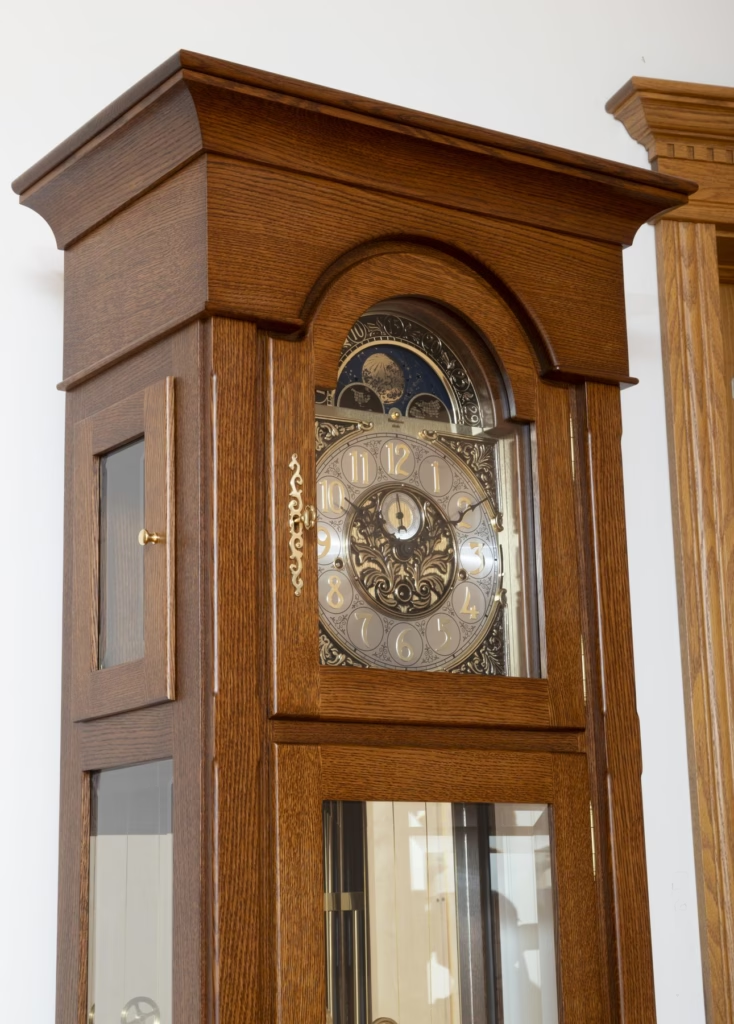
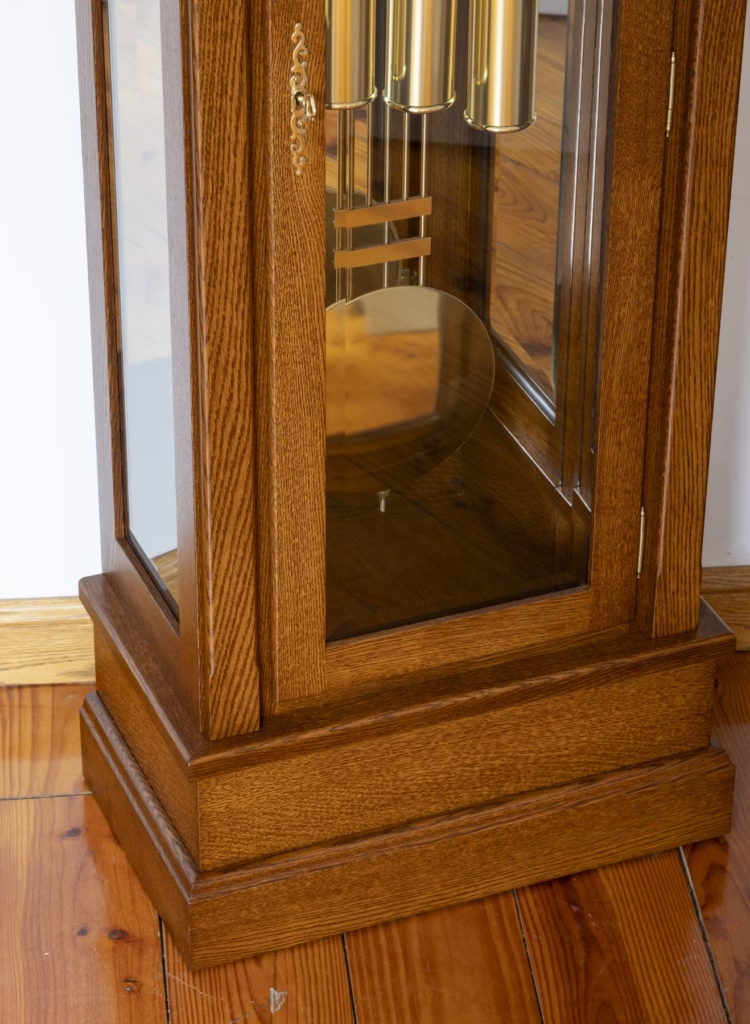
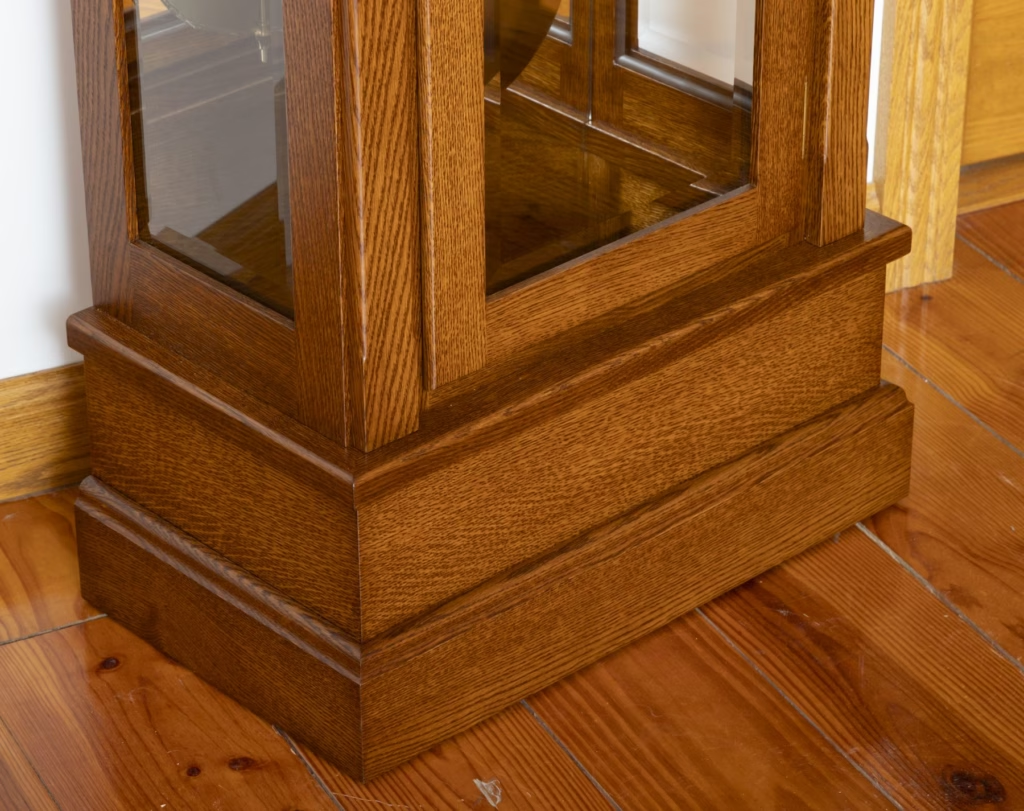
The GRF-502 comes standard in red oak. W.K. upgraded to quarter-sawn white oak, and then he went further than almost any customer we’ve worked with: he asked for solid quarter-sawn white oak on the entire clock, with no plywood anywhere. That includes the places you’d never see, like the underside of the case.
The back of the clock got the same treatment. Instead of a standard back panel, our builder made a 1/2″ solid quarter-sawn white oak panel, stained and finished to match the rest of the case. The screws are covered with removable plugs, so the back looks finished but can still be taken off if the mirror ever needs to be serviced.
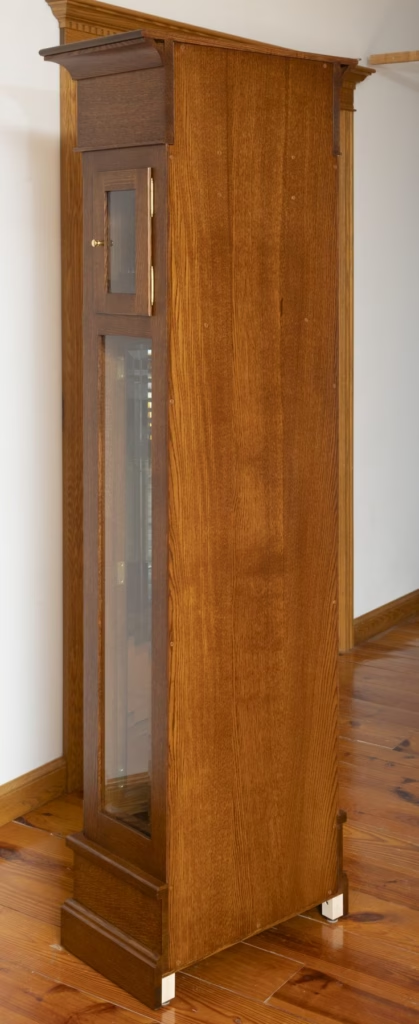
Quarter sawing means cutting the log radially, so that the growth rings run nearly perpendicular to the face of each board. Boards cut this way are more stable and less likely to cup or warp than flat-sawn lumber. That’s a real advantage for a piece of furniture that’s meant to last for generations.
Quarter sawing also exposes the oak’s medullary rays, giving the wood the shimmering “ray fleck” figure that Arts & Crafts and Mission furniture made famous. Some boards show a bold, striped figure, and W.K. had a specific preference about that too. He asked our builder to keep boards with a heavy, tiger-stripe pattern out of the most visible areas of the clock. It’s a small request, but it shows how personal the selection of wood can be.
Choosing a stain for quarter-sawn white oak is not the same as choosing a stain for red oak. The ray fleck takes stain differently than the surrounding grain, so a color that looks one way on a swatch can look quite different on the real wood.
To help W.K. see the difference, we sent him three stain samples made on quarter-sawn white oak: Fruitwood (OCS102), Harvest (OCS116) and Michael’s Cherry (OCS113). After that came our printed stain color catalog, followed by a fourth sample in Asbury (OCS117).
In the end, he chose Michael’s Cherry (OCS113), a warm, rich brown that brings out the depth of the oak’s figure. He had one more request: he liked the grain pattern on the Harvest sample, so we passed that along to our builder for board selection.
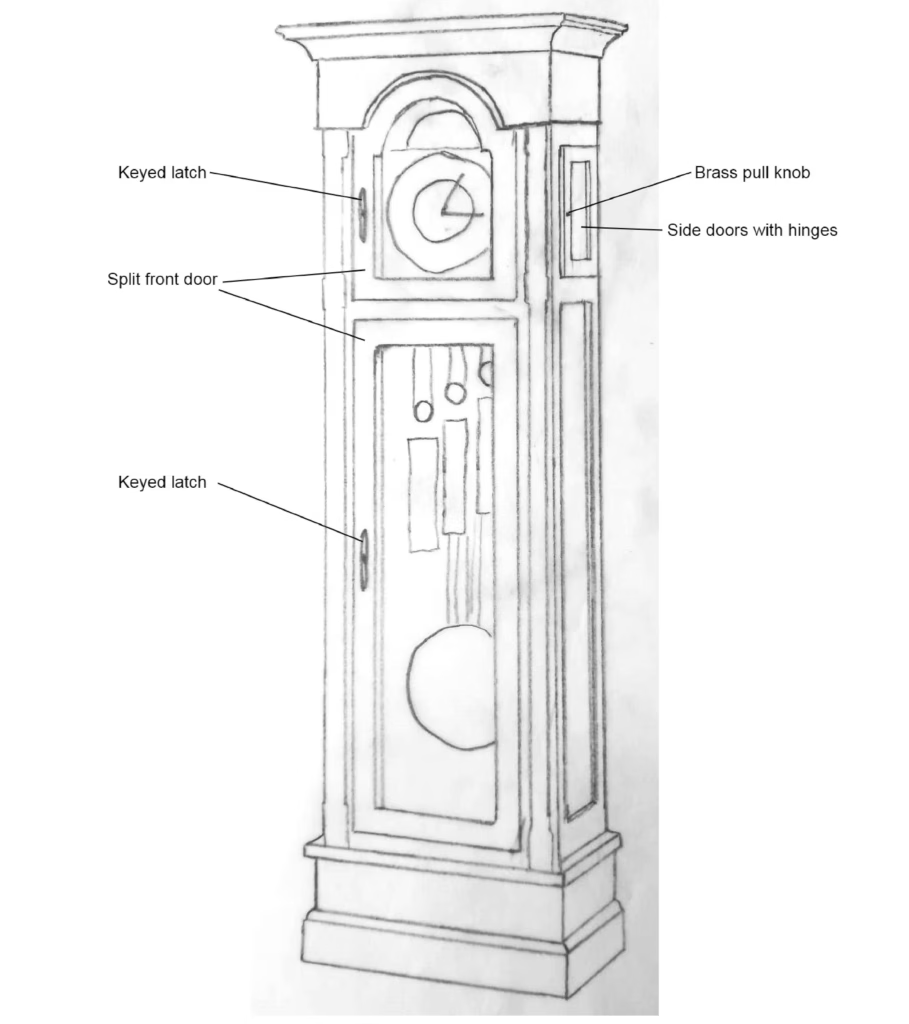
With the wood and stain settled, the next step was the case itself, where this custom grandfather clock really started to take shape. We sketched W.K.’s changes by hand so our builder could see exactly what he had in mind.
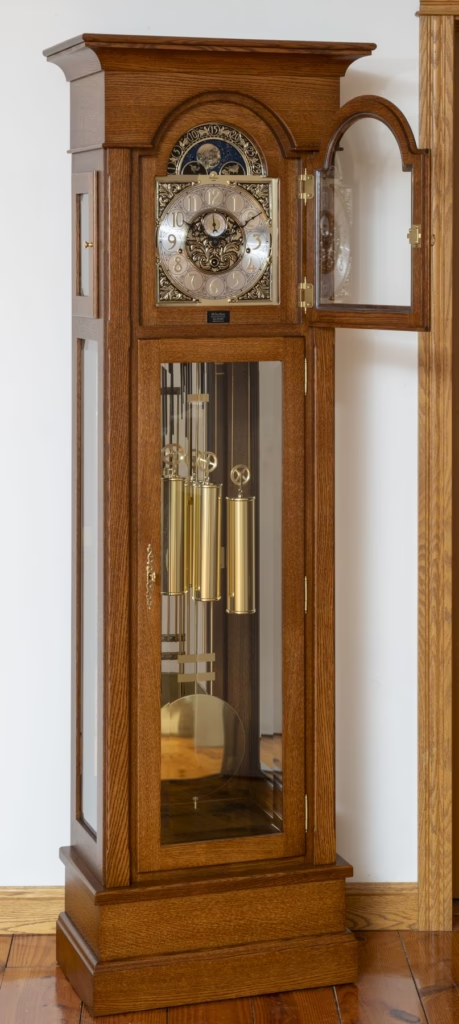
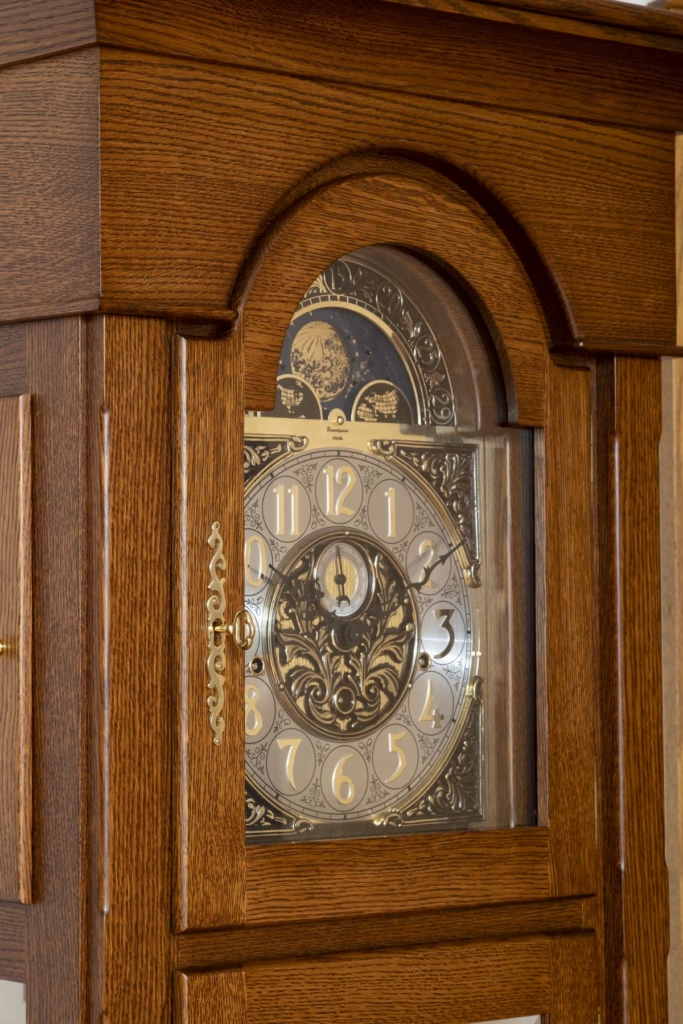
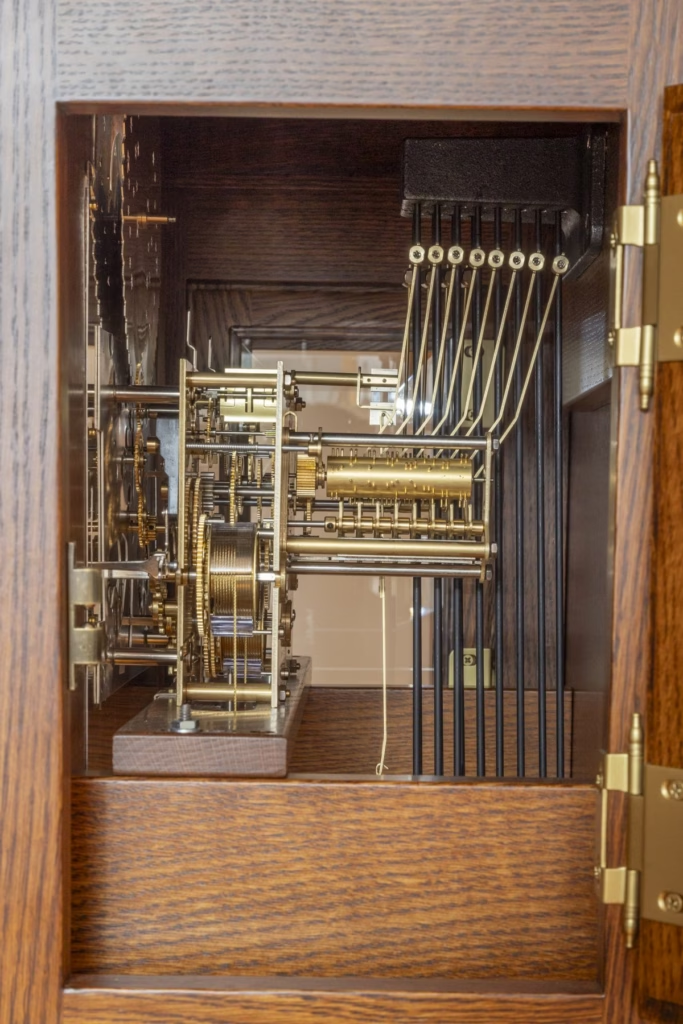
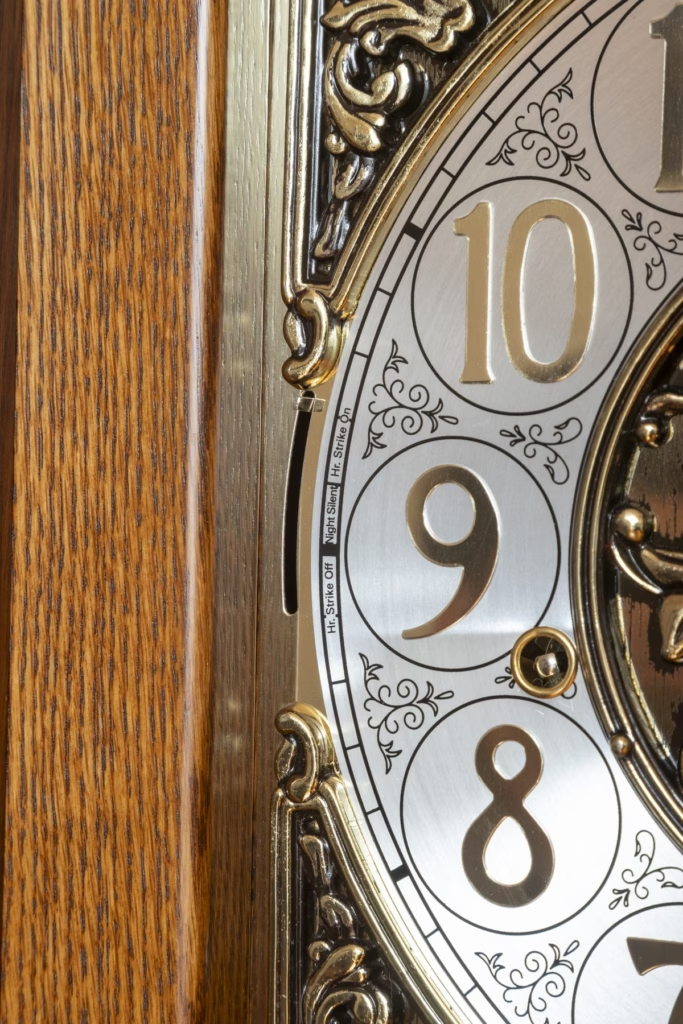
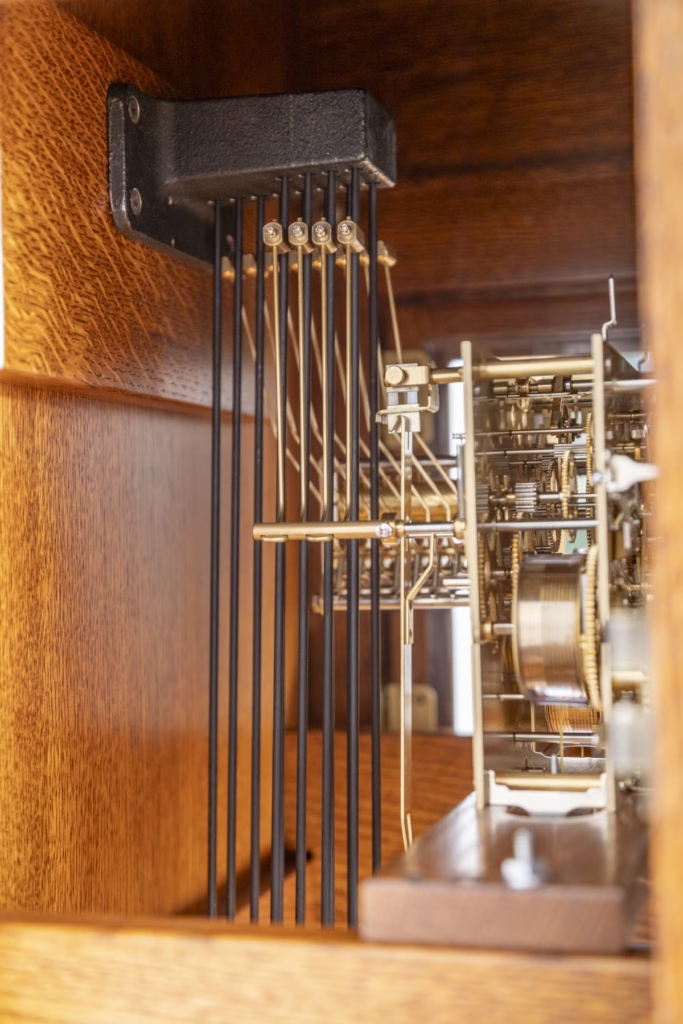
Inside his quarter-sawn white oak grandfather clock, W.K. upgraded from the standard Kieninger MSU to the Kieninger KSU triple-chime movement. The KSU is a heavier-duty German movement built for longevity. It plays Westminster, St. Michael’s and Whittington chimes, and its automatic night silencer keeps the house quiet overnight. Like other mechanical grandfather clock movements, it’s driven by three weights and only needs to be wound once every seven days. (For more about how mechanical movements work, see our guide to mechanical Amish clock movements.)
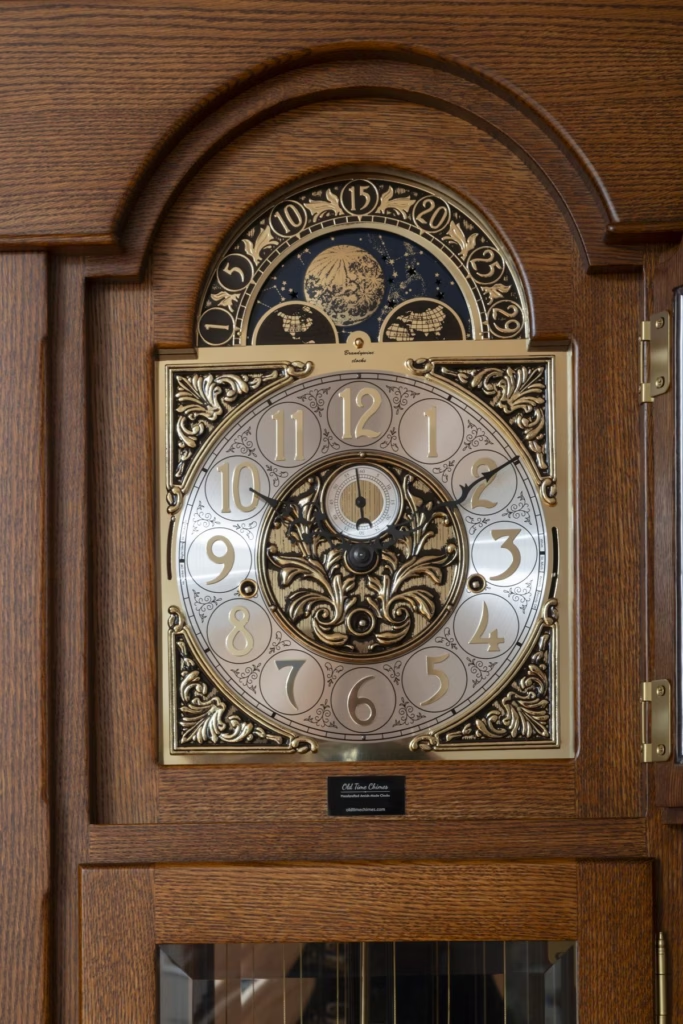
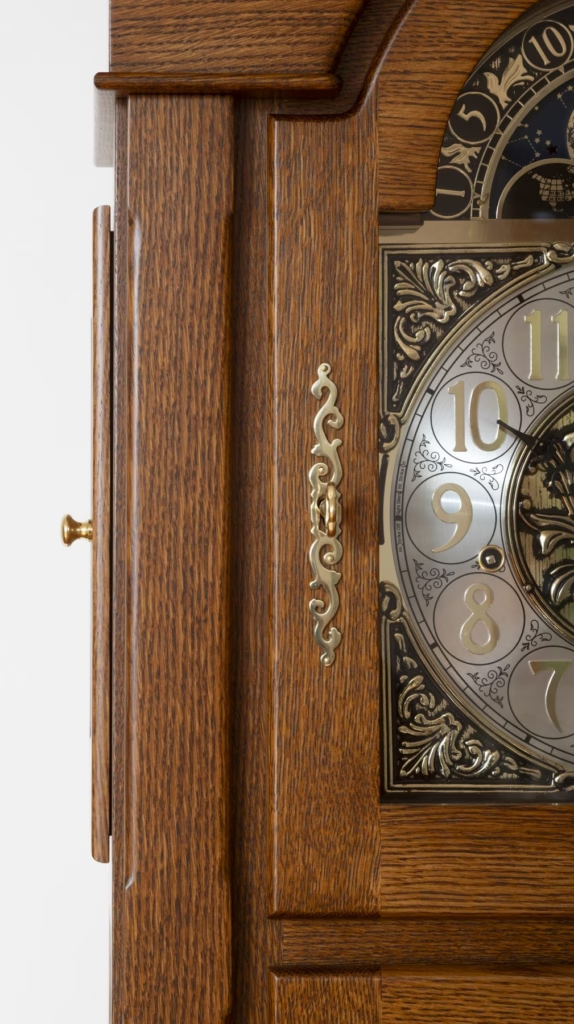
He chose the dial himself as well: a polished brass dial with a moving moon phase, a brushed silver chapter ring, raised brass Arabic numerals, a seconds sub-dial and ornate dark-accented corner spandrels. The moon dial tracks the phases of the moon through its 29½-day cycle, a feature that has graced grandfather clocks for centuries.
For the rest of the brass, W.K. wanted clean lines over ornamentation:
A custom clock like this has a lot of moving parts, and not all of them are mechanical. When the clock was assembled, we shared photos and video with W.K. before it left the shop. Looking at the photos, he noticed a spot on the solid oak back panel that he wasn’t happy with.
So we fixed it. Our builder removed the back panel and replaced it, then sent new photos for W.K.’s approval. The clock didn’t ship until he was satisfied.
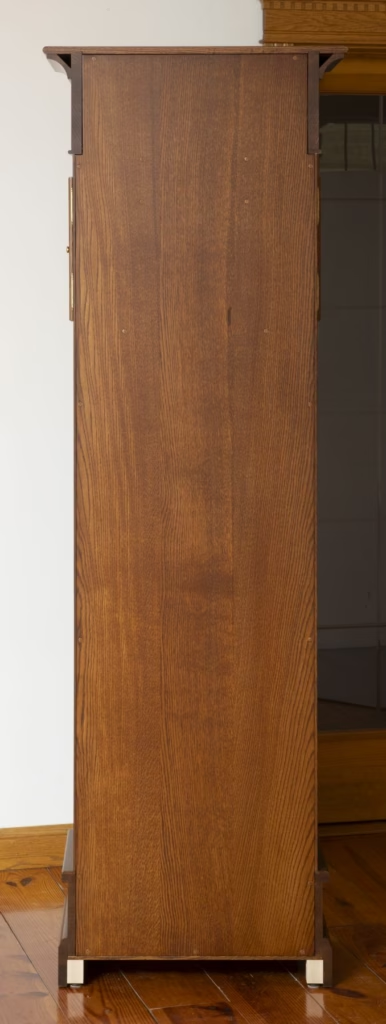
That approach is built into every order. Before any clock leaves the shop, our builders complete a quality control checklist. Among other things, a mechanical movement has to run for a full week and the pendulum is adjusted for accurate timekeeping. The case is inspected for any dents, chips or scratches, and the doors are checked to make sure they open, close and latch smoothly.
After the final approval, a furniture delivery specialist carried the finished quarter-sawn white oak grandfather clock from our builder in Pennsylvania to W.K.’s home in Minnesota. The pendulum and weights were packed separately, and the case was wrapped in shipping blankets and shrink wrap to protect it on the road.
From his first question in August 2023 to delivery in July 2024, this clock took just under a year. A lot of that time went into getting the details right: samples, sketches, hardware choices and photo approvals. The result is a quarter-sawn white oak grandfather clock that exists nowhere else.
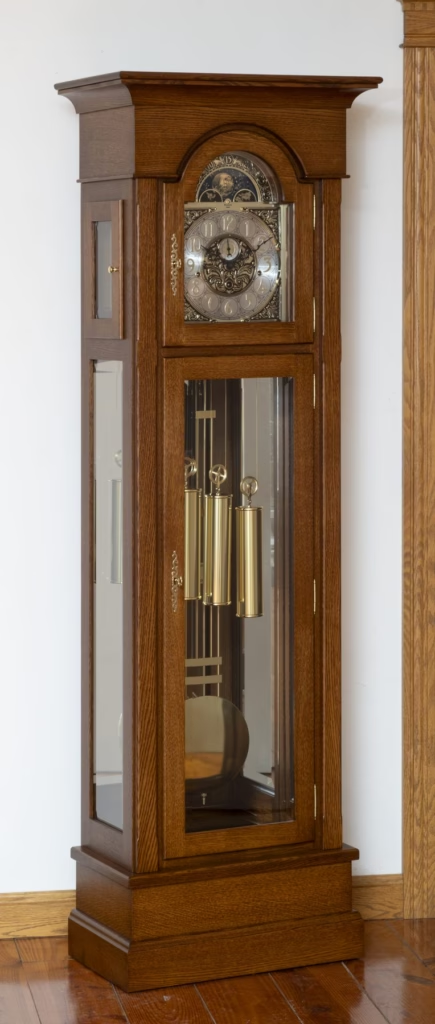
Whether you want a quarter-sawn white oak grandfather clock like this one or something entirely different, every clock we sell is made to order. You’re not limited to what you see in our catalog. You can choose your wood, from red oak to quarter-sawn white oak, cherry, maple or walnut. Pick a stain from our stain color samples, and we’ll send wood and stain samples so you can see the real thing before you decide. Split doors, side doors, beveled glass, mirrors, movements, dials and pendulums can all be customized.
If you have a list of questions like W.K. did, we’d love to hear them. Get in touch with us to start designing your clock, or browse more featured projects, like our grandfather clock in rough-sawn hickory.